 Save
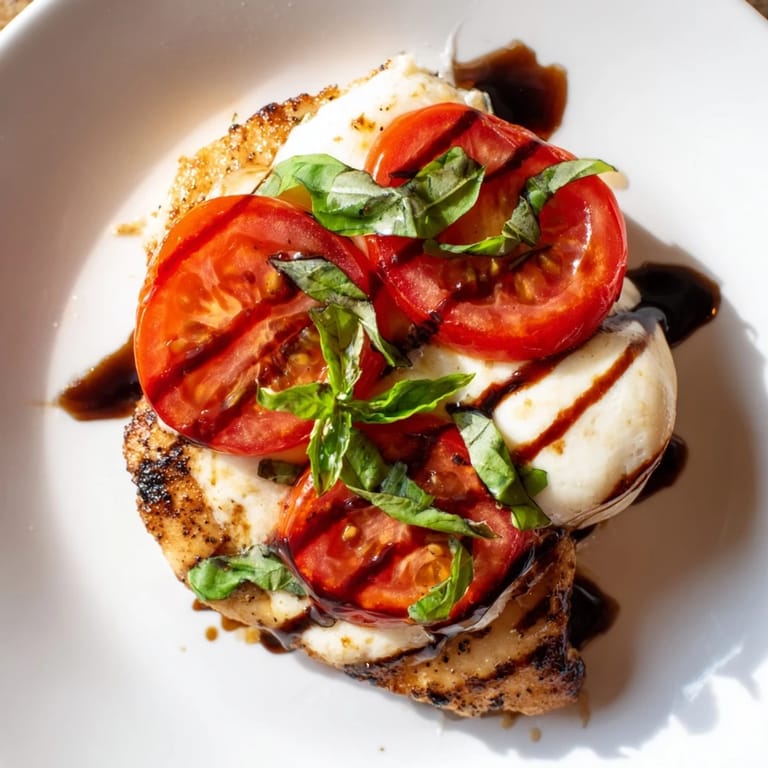
Save The smell of searing chicken always pulls me back into my body when the day has been too long. I made this Caprese skillet on a Tuesday night when I had nothing planned and even less energy, and somehow it turned into one of those meals that reset everything. The tomatoes blistered at the edges, the mozzarella pooled into the skillet, and the balsamic glaze thickened into something almost too good to be accidental. It felt like borrowing a little piece of summer, even in the middle of a week that had no romance to it. Sometimes the best recipes are the ones that ask for almost nothing and give back everything.
I served this to my sister once when she was visiting, and she kept scraping the skillet with her fork to get the last bits of glaze and melted cheese. She asked if I had been taking cooking classes, which made me laugh because the whole thing took less than forty minutes and I was still wearing my work clothes. We ended up talking until the kitchen went dark, picking at basil leaves and dipping bread into the leftover oil. It is strange how a simple skillet meal can turn into a night you remember, but I think it is because good food gives you permission to slow down.
Ingredients
- Boneless, skinless chicken breasts: They cook quickly and evenly, and if you pound them to an even thickness, they stay juicy instead of drying out on the edges.
- Kosher salt: I switched from table salt years ago and never looked back—it sticks to the chicken better and you can actually control the seasoning.
- Freshly ground black pepper: The pre-ground stuff tastes like dust; crack it fresh and you will notice the difference immediately.
- Olive oil: Use something you would actually drizzle on bread—it matters more than you think when there are so few ingredients.
- Ripe tomatoes: Look for tomatoes that smell like summer and give just a little when you press them; underripe ones will taste like nothing.
- Fresh mozzarella: The kind packed in water, not the shredded stuff—it melts into soft, creamy layers instead of turning rubbery.
- Fresh basil leaves: Tear them with your hands instead of slicing; it bruises them less and keeps the flavor brighter.
- Balsamic vinegar: A decent bottle is worth it here—it reduces into a glaze that tastes sweet, tangy, and almost caramelized.
- Honey: Just a tablespoon balances the acidity of the vinegar and helps it thicken into something glossy and rich.
Tired of Takeout? 🥡
Get 10 meals you can make faster than delivery arrives. Seriously.
One email. No spam. Unsubscribe anytime.
Instructions
- Season the chicken:
- Sprinkle salt and pepper on both sides of each chicken breast, pressing it in gently with your fingers so it sticks. If the breasts are uneven, pound the thick parts with your palm or a pan so everything cooks at the same speed.
- Sear the chicken:
- Heat the olive oil in a large skillet over medium-high heat until it shimmers, then lay the chicken breasts in without crowding them. Let them cook undisturbed for five to six minutes per side until they are golden brown and the internal temperature hits 74°C or 165°F—resist the urge to flip early or they will stick.
- Remove and rest:
- Transfer the cooked chicken to a plate and let it rest while you build the topping. The juices will settle back into the meat instead of running all over your cutting board.
- Build the Caprese topping:
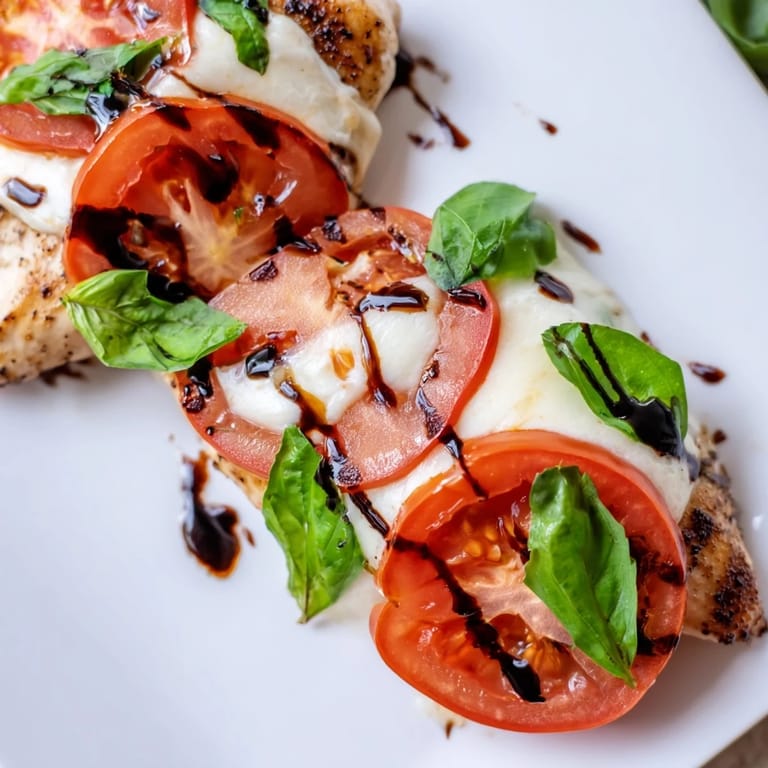
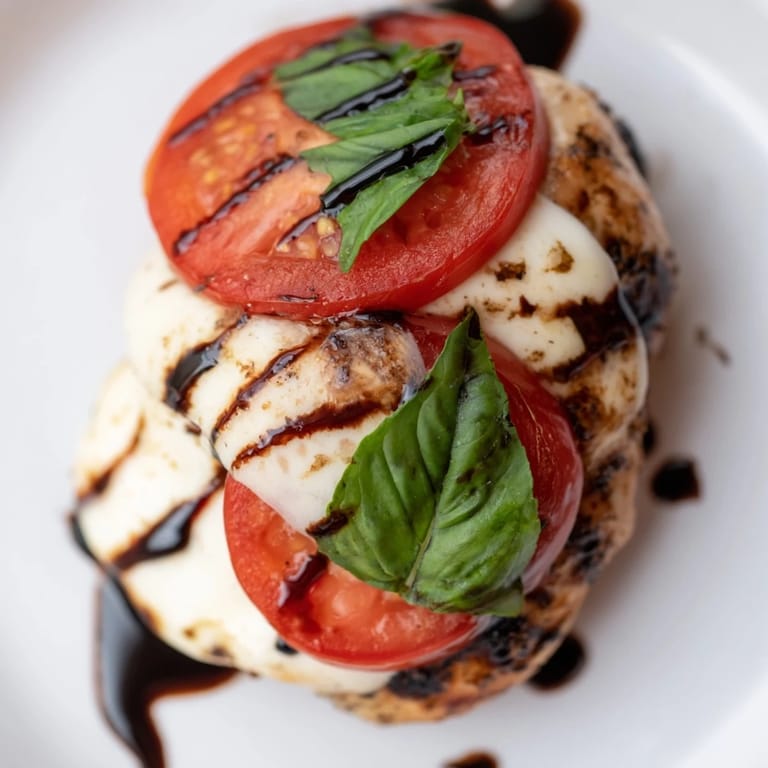
- Lower the heat to medium and return the chicken to the skillet, then layer tomato slices over each breast and top with mozzarella. Cover the skillet and let it sit for two to three minutes until the cheese softens and starts to melt into the tomatoes.
- Make the balsamic glaze:
- While the cheese melts, pour the balsamic vinegar and honey into a small saucepan over medium heat. Simmer it for five to seven minutes, stirring now and then, until it thickens enough to coat the back of a spoon.
- Finish and serve:
- Scatter torn basil leaves over the chicken and drizzle the warm balsamic glaze across everything. Serve it straight from the skillet if you want to skip the extra dishes.
 Save
Save There was a night I made this after a long argument with someone I loved, and I remember standing at the stove watching the vinegar reduce, feeling the sharp smell clear my head. By the time I sat down to eat, the sweetness of the glaze and the softness of the mozzarella had gentled something in me. Food does not fix things, but it can give you a place to land when everything else feels hard.
What to Serve It With
I usually keep it simple with crusty bread to soak up the glaze, or a handful of arugula dressed with lemon and olive oil. If I am hungrier or feeding more people, I will add roasted vegetables or a pot of orzo cooked with garlic and butter. The dish is rich enough to stand on its own, but light enough that it does not feel heavy even with sides.
How to Store and Reheat
Leftovers keep well in the fridge for up to three days in an airtight container, though the basil will wilt and the mozzarella will firm up. I reheat it gently in a skillet over low heat with a splash of water to keep the chicken moist, or slice it cold over a salad the next day. The balsamic glaze sometimes thickens too much in the fridge, but a few seconds in the microwave or a tiny bit of warm water will loosen it right back up.
Little Changes That Make It Yours
Sometimes I rub the chicken with Italian seasoning or garlic powder before cooking, especially if I want a little more depth without adding steps. Cherry tomatoes work beautifully if you halve them and let them blister in the skillet, and I have swapped in burrata when I am feeling extravagant. You can also skip the glaze and just drizzle good balsamic straight over the top if you are short on time.
- Add a pinch of red pepper flakes to the glaze for a hint of heat.
- Use chicken thighs instead of breasts for more flavor and forgiveness if you overcook them slightly.
- Toss in a handful of spinach under the cheese for extra greens without extra effort.
 Save
Save This is the kind of recipe I come back to when I need something reliable that still feels special. It reminds me that you do not need a long list of ingredients or hours in the kitchen to make something worth sitting down for.
Recipe Help
- → How do I know when the chicken is cooked through?
Use a meat thermometer to check that the internal temperature reaches 74°C (165°F). The chicken should also be golden brown on both sides and no longer pink inside.
- → Can I prepare this dish ahead of time?
You can prep ingredients in advance—slice the tomatoes and mozzarella, tear the basil, and season the chicken. Cook the dish fresh for best results, as the cheese and tomatoes are best served warm.
- → What should I serve alongside this?
Pair with crusty bread to soak up the balsamic glaze, a crisp green salad, or for low-carb options, zucchini noodles or cauliflower rice work beautifully.
- → How can I make the balsamic glaze thicker?
Simmer the balsamic vinegar and honey for 5-7 minutes until it reaches a syrupy consistency. If it's still too thin, continue simmering for another 1-2 minutes, watching carefully to prevent burning.
- → Is this suitable for dietary restrictions?
Yes, this dish is naturally gluten-free and low-carb as written. Verify that your mozzarella is certified gluten-free if you have celiac sensitivity. It's also grain-free and keto-friendly when paired with appropriate sides.