 Save
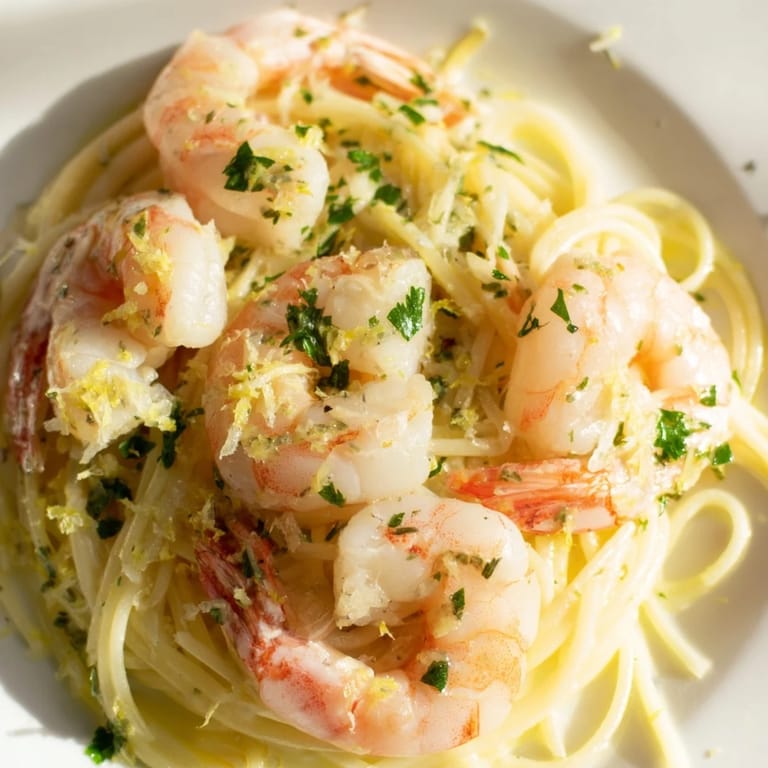
Save The smell of garlic hitting hot butter is what woke my roommate up one Tuesday night when I was testing this recipe at 11 p.m. She wandered into the kitchen, half-annoyed, then stayed for a bowl. That's when I knew this pasta was a keeper. It's the kind of dish that pulls people toward the stove, where the lemon cuts through the richness and the shrimp curl into perfect pink commas in under two minutes.
I made this for my parents the weekend they visited my first apartment. My dad, who usually drowns everything in hot sauce, didn't reach for the bottle once. My mom kept twirling her fork and saying it reminded her of a place we ate at in Cape Cod years ago. I didn't tell them I'd only practiced it twice before.
Ingredients
- Large shrimp, peeled and deveined: Pat them completely dry before cooking or they'll steam instead of sear, and you'll lose that golden edge.
- Spaghetti: Al dente is non-negotiable here since it finishes cooking in the sauce and soaks up all that lemony butter.
- Unsalted butter: Using unsalted lets you control the seasoning, especially since pasta water and Parmesan both add salt.
- Extra-virgin olive oil: Mixing it with butter raises the smoke point so the garlic doesn't burn while you're searing the shrimp.
- Garlic cloves, minced: Fresh garlic is everything in this dish, jarred just doesn't have the same punch or fragrance.
- Lemon zest and juice: The zest gives you the floral oil, the juice gives you the acid, and together they wake up every other flavor.
- Dry white wine: It adds depth and a subtle sweetness, but if you skip it, a splash of broth works just fine.
- Crushed red pepper flakes: Just a pinch brings warmth without making it spicy, though you can always add more at the table.
- Fresh parsley: It's not just for looks, the green freshness balances all that richness right at the end.
- Freshly grated Parmesan cheese: Optional but highly recommended, it melts into the sauce and adds a salty, nutty finish.
Tired of Takeout? 🥡
Get 10 meals you can make faster than delivery arrives. Seriously.
One email. No spam. Unsubscribe anytime.
Instructions
- Boil the pasta:
- Salt your water generously, it should taste like the sea. Cook the spaghetti until it still has a tiny bite in the center, then save some of that starchy water before you drain.
- Prep the shrimp:
- Dry them with paper towels and season lightly with salt and pepper. Wet shrimp won't brown, they'll just make the pan soggy.
- Sear the shrimp:
- Heat the oil and butter until shimmering, then lay the shrimp in a single layer without crowding. Let them sit untouched for a full minute so they get a little caramelization, then flip and cook just until pink.
- Build the sauce base:
- Lower the heat and add the rest of your butter and oil, then toss in the garlic. Stir constantly and pull it off the heat the moment it smells toasty and golden.
- Add the lemon and wine:
- Pour in the zest, juice, wine, and red pepper flakes, scraping up any browned bits from the pan. Let it bubble and reduce for a couple of minutes until it thickens slightly.
- Toss the shrimp back in:
- Return the shrimp and any juices from the plate into the sauce. Coat them well and let them warm through.
- Combine with pasta:
- Add the drained spaghetti to the skillet and toss everything together with tongs. Drizzle in reserved pasta water a little at a time until the sauce turns silky and clings to the noodles.
- Season and finish:
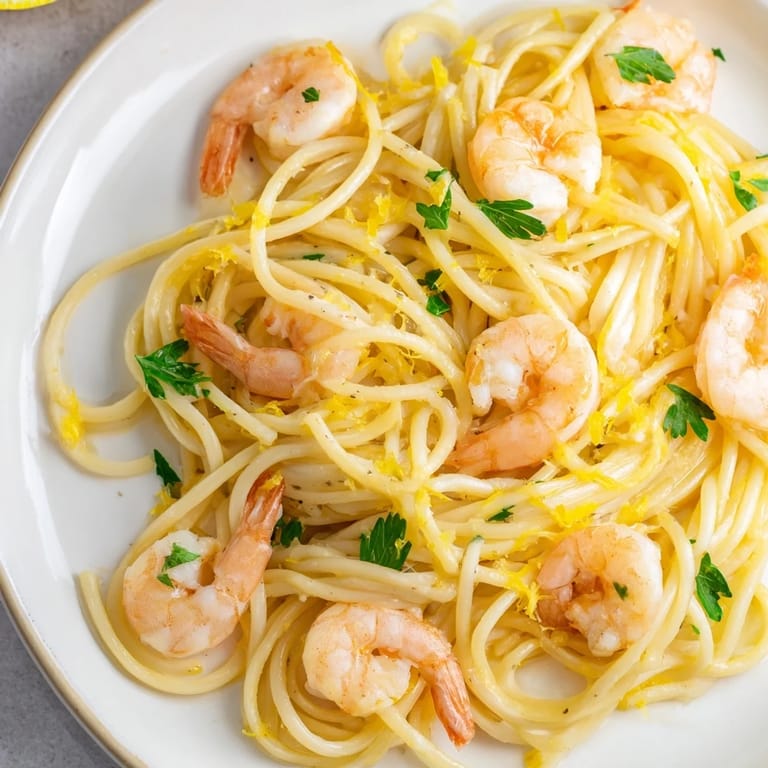
- Taste and adjust with more salt or pepper if needed. Pull it off the heat, shower it with parsley and Parmesan, and serve it hot with lemon wedges on the side.
 Save
Save One night I made this for a friend going through a breakup. We ate it straight from the skillet with a bottle of wine between us, and she said it was the first thing that tasted good in days. Sometimes a plate of lemony shrimp pasta is exactly the right kind of comfort.
Choosing Your Shrimp
I used to buy whatever shrimp was on sale until I learned that size and freshness actually matter. Large shrimp (about 21 to 25 per pound) are ideal here because they stay juicy and don't disappear into the pasta. If you can find fresh wild-caught, go for it, but frozen works beautifully as long as you thaw them in the fridge overnight and pat them bone dry before cooking. Avoid pre-cooked shrimp, they'll turn to rubber when you reheat them in the sauce.
Making It Your Own
This recipe is a canvas. I've stirred in handfuls of baby spinach at the end and watched it wilt into the sauce. I've halved cherry tomatoes and let them blister in the skillet before adding the shrimp. Once I swapped the spaghetti for linguine and another time for gluten-free penne when my cousin visited. You can skip the wine and use chicken broth, or leave out the Parmesan to keep it dairy-light. It's forgiving in all the right ways.
Serving and Storing
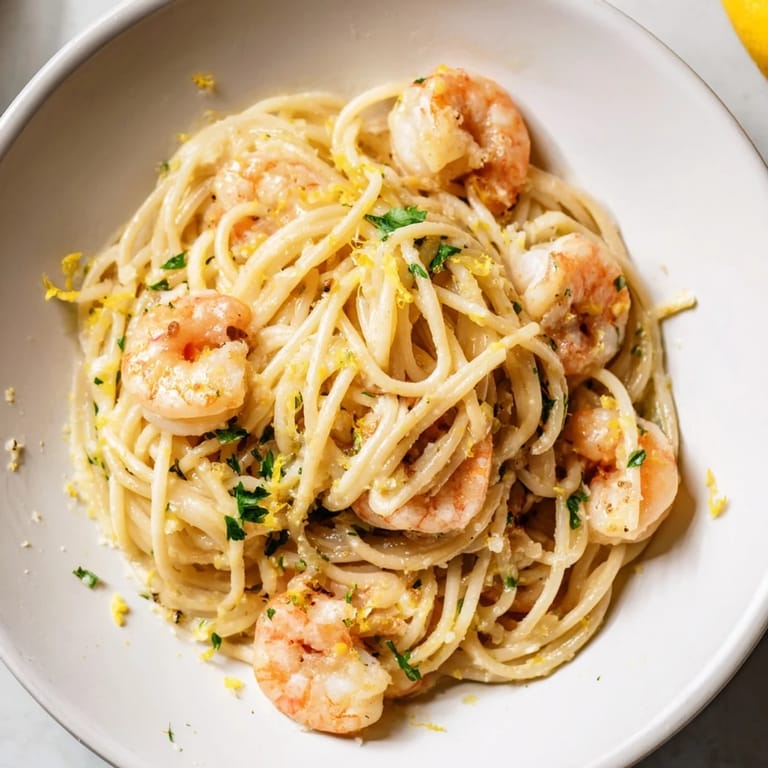
This pasta is best eaten right away, straight from the pan while the butter is still glossy and the lemon is bright. Leftovers can be stored in an airtight container in the fridge for up to two days, but the pasta will soak up the sauce and the shrimp can get a little tough when reheated. If you do reheat it, add a splash of broth or water and warm it gently in a skillet over low heat, stirring often.
- Serve it with crusty bread to soak up every last bit of sauce.
- A simple arugula salad with olive oil and lemon on the side balances the richness perfectly.
- Pour yourself a cold glass of Sauvignon Blanc or Pinot Grigio and call it dinner.
 Save
Save There's something about twirling lemony, garlicky pasta around your fork that makes everything feel a little more manageable. I hope this one finds its way into your regular rotation like it did mine.
Recipe Help
- → How do I prevent shrimp from becoming rubbery?
Pat shrimp dry before cooking and avoid overcooking. Cook large shrimp 1–2 minutes per side over medium-high heat until just pink and opaque. Remove immediately to a plate to prevent carryover cooking.
- → Can I prepare this dish ahead of time?
Cook components separately and assemble just before serving for best results. Pre-cook shrimp and pasta up to 4 hours ahead, storing in airtight containers. Prepare the sauce fresh while reheating shrimp and pasta gently together.
- → What's the purpose of reserved pasta water?
Starchy pasta water creates a silky emulsion with the butter and lemon juice, coating each strand beautifully. Add gradually while tossing to achieve desired sauce consistency without making the dish too wet.
- → Is white wine essential to the sauce?
White wine adds depth, but it's optional. Substitute with chicken or vegetable broth, or increase pasta water for similar results. The lemon and garlic provide the essential bright, savory foundation.
- → How can I make this dish heartier?
Incorporate fresh spinach, cherry tomatoes, or artichoke hearts during the final toss. Adding roasted asparagus or zucchini complements the light sauce while adding vegetables and texture.
- → What wine pairs best with this dish?
Crisp white wines work beautifully—Sauvignon Blanc, Pinot Grigio, or Vermentino. Their acidity mirrors the lemon and complements the buttery shrimp without overpowering delicate seafood flavors.