 Save
Save My first encounter with hojicha ice cream happened on a humid August afternoon at a small tea shop in Kyoto, where the owner scooped it into a delicate ceramic bowl and watched my face as I tasted it. That nutty, almost caramel-like warmth against the cold cream felt like discovering a flavor I'd somehow always known. I spent the rest of that trip thinking about how to recreate it, and when I finally tested this recipe in my own kitchen, the smell of the roasted tea steeping in warm cream brought that exact moment rushing back. Now, making this has become my favorite way to impress people who think ice cream is just vanilla.
I made this for my book club once, and one friend actually put her spoon down and asked if I'd added something mysterious to it, like it couldn't possibly be just tea and cream. The memory of her confusion then delight has me grinning every time I pull the ice cream maker out now.
Ingredients
- Heavy cream (2 cups): This is where the richness comes from, so don't be tempted to use whipping cream or anything lighter, or you'll end up with a less luxurious texture.
- Whole milk (1 cup): The milk keeps the ice cream from being too dense while the cream does the heavy lifting on flavor and mouthfeel.
- Hojicha loose leaf tea (3 tablespoons): Loose leaf gives you more control over steeping time and flavor intensity than bags, and the quality difference is honestly worth it here.
- Egg yolks (4 large): Room temperature yolks blend more smoothly when you're tempering them, so pull them from the fridge a few minutes before you start.
- Granulated sugar (2/3 cup): The sugar does double duty, sweetening the cream and helping the yolks emulsify into a silky custard.
- Fine sea salt (pinch): A tiny whisper of salt makes the hojicha flavor pop without adding any obvious saltiness to the finished ice cream.
Tired of Takeout? 🥡
Get 10 meals you can make faster than delivery arrives. Seriously.
One email. No spam. Unsubscribe anytime.
Instructions
- Heat your cream and milk:
- Pour both into a saucepan and warm over medium heat until you see steam rising and the mixture is hot enough that a finger held in it would burn. You're not looking for bubbles or a rolling simmer, just that moment when it's clearly hot but still under control.
- Steep the hojicha:
- Add the tea to the hot cream, turn the heat down to low, and cover the saucepan so the steam stays trapped inside. The tea will gradually turn the milk a gorgeous pale brown while releasing its toasty, almost cocoa-like scent.
- Strain with intention:
- Pour the mixture through a fine sieve into a clean bowl, using the back of a spoon to gently press the tea leaves so you extract every bit of flavor. Don't squeeze aggressively or you'll push bitter compounds through along with the good stuff.
- Prepare your egg yolks:
- Whisk the yolks with sugar and salt in a separate bowl until the mixture turns pale, thick, and ribbony. This takes about a minute or two of steady whisking and signals that the sugar has started dissolving into the yolks.
- Temper the yolks slowly:
- Pour just about a cup of the warm hojicha cream into the yolk bowl while whisking constantly, adding it in a thin stream so the yolks warm gradually without scrambling. If you dump it all in at once, you'll end up with sweet scrambled eggs instead of custard, which I learned the hard way.
- Combine everything:
- Pour the now-warmed yolk mixture back into the saucepan with the remaining hojicha cream, stirring gently but constantly. The mixture will gradually thicken as the yolks cook and the custard comes together.
- Cook until it coats:
- Keep stirring with a wooden spoon over low heat until the custard is thick enough that when you run your finger across the back of the spoon, it leaves a clear trail. Use a thermometer to hit 170 to 175 degrees Fahrenheit if you want to be exact about it.
- Cool and chill:
- Strain the custard one more time into a clean bowl to catch any bits of cooked egg, then let it cool to room temperature before covering and sliding it into the fridge for at least four hours, preferably overnight. The longer it chills, the smoother your ice cream will be.
- Churn into magic:
- Follow your ice cream maker's instructions, which usually means churning for twenty to thirty minutes until the mixture reaches soft-serve consistency. The hojicha will keep its rich color throughout the process.
- Freeze solid:
- Scoop the churned ice cream into an airtight container and freeze for at least two hours before serving, though I usually let it sit overnight so it scoops beautifully.
 Save
Save There's something almost meditative about watching cream and tea transform into something creamy and complex, and every time I taste this ice cream, I'm transported back to that quiet afternoon in Kyoto. It's become the dessert I reach for when I want to feel like I'm traveling without leaving my kitchen.
Why Hojicha Works So Well
Hojicha is roasted green tea, which means it's already been heated during processing, giving it a deeper, almost caramel-like flavor that's warmer than regular green tea. Unlike typical green teas, hojicha doesn't taste grassy or sharp, so it plays beautifully with cream without getting lost or turning bitter. The roasting process also removes a lot of the astringency, which means you can steep it a little longer without worrying about that puckering sensation some teas leave behind.
The Custard Base Matters More Than You Think
I tested this recipe a few times with different methods, and every shortcut version felt disappointing compared to the real custard approach. A custard base means the ice cream stays creamy even when frozen because the egg yolks act as an emulsifier, trapping the fat in tiny droplets that feel smooth on your tongue. It also gives you a richer, more luxurious mouthfeel than dairy-only ice creams, and the flavor seems to develop more fully as the custard chills overnight.
Serving and Storage Secrets
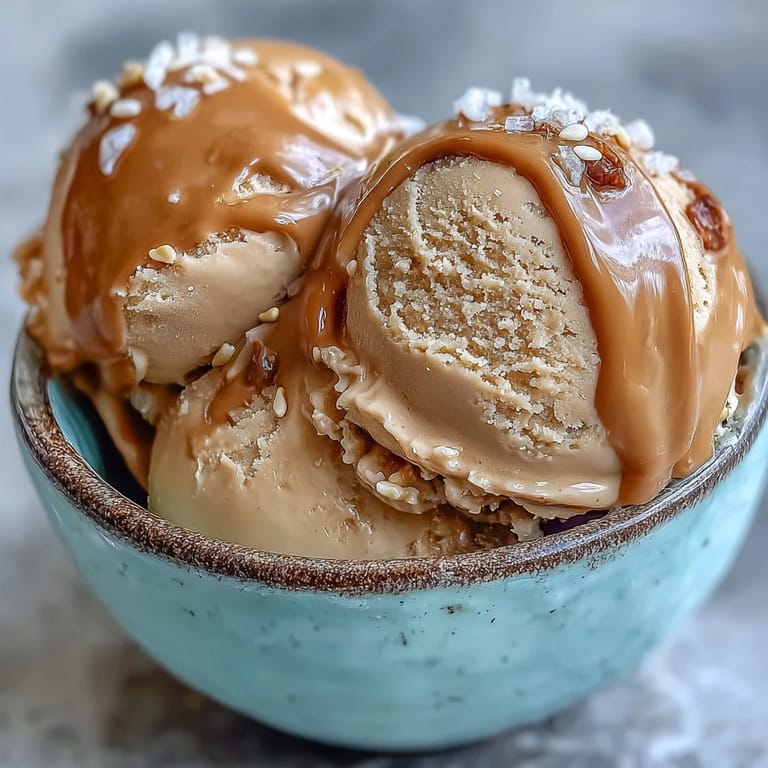
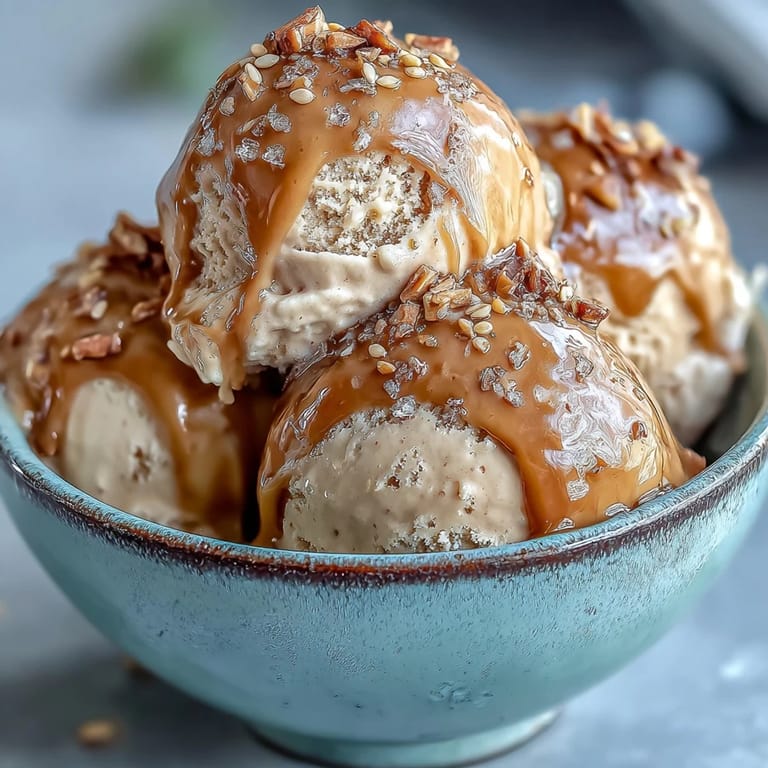
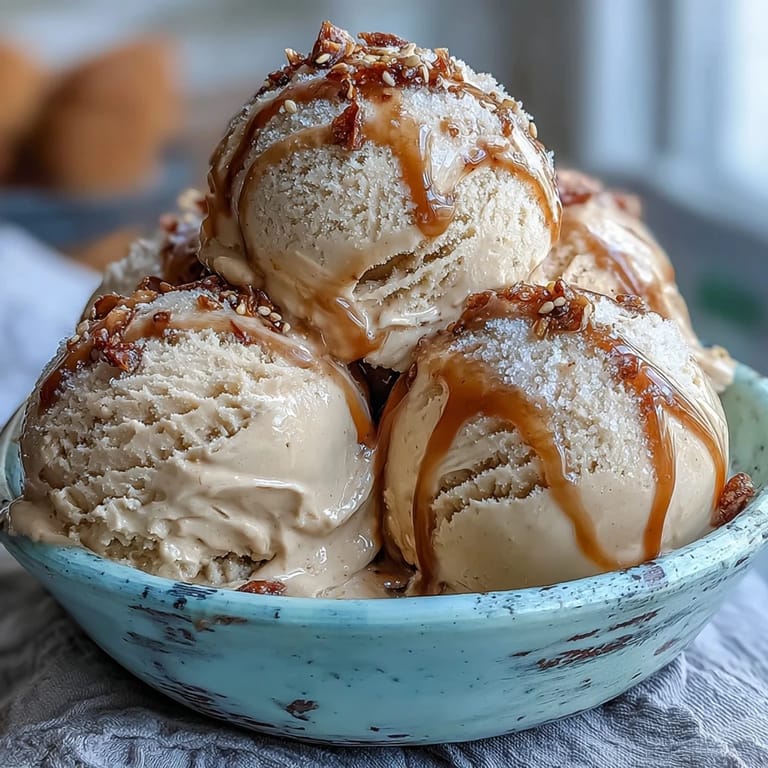
This ice cream keeps beautifully in the freezer for up to two weeks if it's sealed well in an airtight container, though it rarely lasts that long in my house. For the creamiest scoops, let it sit at room temperature for five to ten minutes before serving so it softens just enough to scoop easily. The flavor is pure and elegant on its own, but a light sprinkle of toasted sesame seeds or a tiny drizzle of sweetened condensed milk feels like the perfect finishing touch if you're feeling fancy.
- Fresh mango or lychee on the side brings out unexpected brightness against the warm, toasty flavor.
- A small piece of mochi alongside turns this into a whole Japanese-inspired moment.
- Serve in chilled bowls so the ice cream doesn't melt too quickly while you're savoring it.
 Save
Save Making hojicha ice cream has become one of those small kitchen rituals that reminds me why I love cooking in the first place. Give it a try, and I promise it'll become your go-to fancy dessert too.
Recipe Help
- → What makes hojicha different from regular green tea?
Hojicha is roasted green tea that develops a deep, nutty flavor with caramel notes rather than the grassy taste of unroasted varieties. The roasting process also reduces caffeine content, making it ideal for evening desserts.
- → Can I make this without an ice cream maker?
Yes, though the texture will be slightly different. Pour the chilled custard into a shallow container and freeze for 2 hours, stirring vigorously every 30 minutes to break up ice crystals until firm.
- → How long should I steep the tea?
Steep the hojicha for 10 minutes over low heat with the lid on to capture the aromatic oils. This longer steeping time extracts the full depth of roasted flavor that defines hojicha.
- → What's the best way to store leftovers?
Keep in an airtight container in the freezer for up to 2 weeks. Place parchment paper directly on the surface before sealing to prevent ice crystals from forming. Let soften 5-10 minutes before scooping.
- → Can I use hojicha powder instead of loose leaf?
Absolutely—use 2 tablespoons of powder and whisk it directly into the warm milk mixture. No straining is needed with powder, though you may want to strain the custard after cooking to remove any cooked egg bits.
- → What garnishes pair well with hojicha?
Toasted sesame seeds add complementary nutty flavor, while sweetened condensed milk drizzle enhances the caramel notes. Fresh mochi, red bean paste, or sliced fresh fruit like persimmons create a beautiful Japanese dessert platter.