 Save
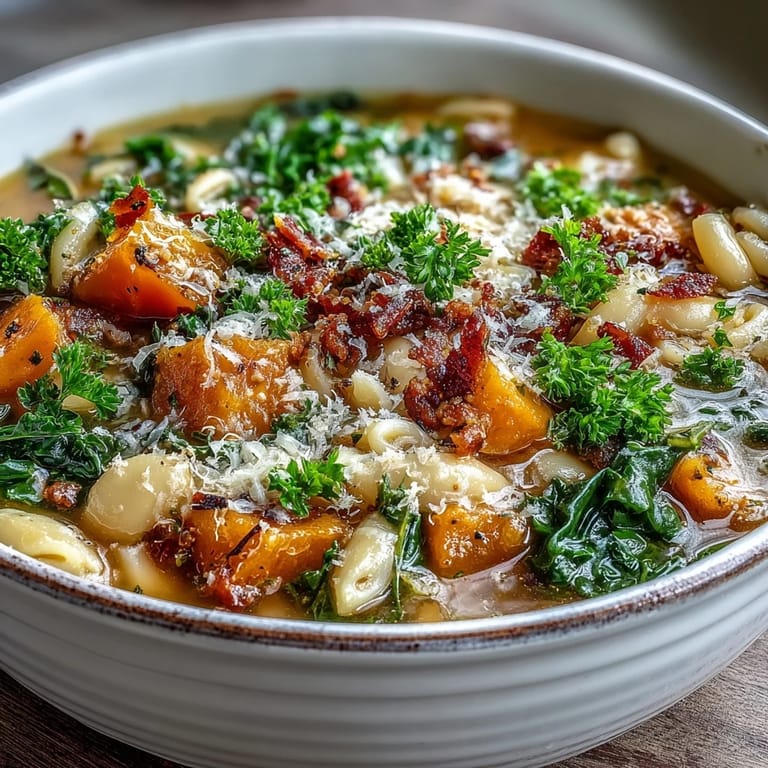
Save There's something about September that makes me crave a bowl of minestrone, that moment when the farmers market suddenly fills with butternut squash and the evenings start feeling crisp. I found myself standing in my kitchen one early autumn afternoon, surrounded by vegetables I'd picked up without a real plan, and decided to throw together something hearty. What emerged was this fall version of minestrone, loaded with golden squash, chewy pasta, and just enough pancetta to make the whole pot smell absolutely irresistible.
I made this for my neighbor one rainy October evening when she mentioned feeling under the weather, and watching her face light up when she tasted it reminded me why soup is one of the best gestures a person can offer someone. She came over three days later asking for the recipe, which is how I know it's a keeper.
Ingredients
- Pancetta: Those crispy, rendered pieces become the flavor backbone of the entire pot, so don't skip them even if you're tempted to make this vegetarian (though you can absolutely do that instead).
- Olive oil: Just enough to get the pancetta started and keep things from sticking, nothing fancy required here.
- Yellow onion, carrots, and celery: This is your aromatic foundation, the holy trinity that makes every good soup taste like someone who knows what they're doing made it.
- Butternut squash: Cut it into small cubes so it softens evenly and releases that natural sweetness into the broth without falling apart completely.
- Garlic: Two cloves minced fine so they dissolve into the background and add savory notes without being obvious about it.
- Kale: Remove those tough stems first or they'll stay chewy in a bad way, then chop it rough because it's going to wilt down into submission anyway.
- Canned diced tomatoes: Don't drain them, those juices are where the acidity lives and it balances everything beautifully.
- White beans: Canned is perfectly fine here, just rinse them so you're not adding the starchy liquid they're packed in.
- Ditalini pasta: Small tube-shaped pasta that catches the broth inside it, though any small shape works if that's what you have on hand.
- Broth: Chicken or vegetable depending on your preference, and honestly it's one place where the quality matters because it's the base of everything else.
- Thyme and bay leaf: Fresh thyme is lovely if you have it, but dried works just fine and won't hurt your feelings.
- Black pepper and salt: Taste as you go because every broth is different and you'll know when it's right.
- Fresh parsley and Parmesan: These are your finishing touches, the ones that make people think they're eating at someone's house who really cares.
Tired of Takeout? 🥡
Get 10 meals you can make faster than delivery arrives. Seriously.
One email. No spam. Unsubscribe anytime.
Instructions
- Get the pancetta going:
- Heat your olive oil in a large pot over medium heat and add the diced pancetta, listening for that gentle sizzle that tells you it's working. Let it cook until the edges turn golden and crispy, about five minutes, then fish it out with a slotted spoon and set it aside on a paper towel, leaving all that rendered fat behind because that's liquid gold for flavor.
- Build your aromatic base:
- Toss your diced onion, carrots, and celery into that pancetta fat and let them soften together over medium heat, stirring occasionally until they've lost their raw edge and smell so good you'll want to stand there watching. This takes about five minutes and is where the real work of building flavor happens.
- Wake up the butternut squash:
- Add your cubed butternut squash and minced garlic right into the pot, stirring everything together and letting it cook for just two minutes until you smell that sweet, roasted garlic aroma starting to emerge from the mix.
- Add your liquid and long-cooking elements:
- Pour in your tomatoes with all their juice, add the drained white beans, then pour in your broth along with the thyme, bay leaf, salt, and pepper. Stir it all together, bring it to a simmer, then cover the pot and let it bubble gently for about twenty minutes until the butternut squash is completely tender when you poke it with a fork.
- Finish with pasta and greens:
- Stir in your chopped kale and pasta right into the pot, leaving the lid off this time so the pasta can cook properly and the kale can wilt down. This takes eight to ten minutes, and you'll know it's done when the pasta is soft enough to eat and the kale has transformed from raw and defiant to silky and dark.
- Taste and adjust:
- Fish out the bay leaf, then taste a spoonful of broth and decide if it needs more salt or pepper. This is where you make it yours, because every person's salt tolerance is different and every broth is slightly different too.
- Serve with all the good finishes:
- Ladle the soup into bowls and top each one with some of those reserved crispy pancetta pieces, a scattered handful of fresh parsley if you have it, and a generous grating of Parmesan that melts slightly into the heat of the soup.
 Save
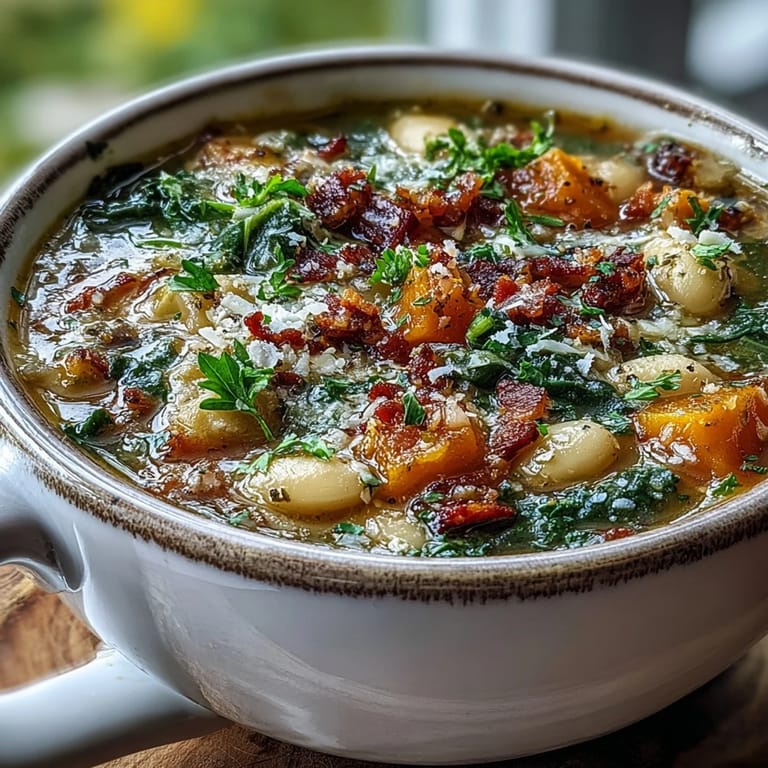
Save This soup has a way of becoming a ritual, the kind of meal you make when you want to slow down and actually taste what you're eating. There's something about autumn minestrone that feels like permission to take your time and enjoy simple, good food.
Why Butternut Squash Works Here
The natural sweetness of butternut squash against the savory pancetta and umami-rich tomatoes creates this unexpected balance that keeps you reaching for another spoonful. It softens beautifully without dissolving, and somehow makes the entire pot taste more rounded and complete than it would without it. I've tried other winter squashes and they work, but butternut has this particular texture and flavor that just feels right for this recipe.
Making It Your Own
This recipe is more of a template than a rule book, which is kind of the whole point of minestrone anyway. I've made it with different beans when I ran out of white beans, swapped the kale for spinach on nights when that's what needed using, and thrown in diced zucchini when summer lingered longer than expected. The important part is keeping that balance of something hearty, something green, something creamy from the beans, and enough broth to make it feel like soup rather than stew.
Storing and Reheating
This soup actually tastes better the next day when all the flavors have had time to get to know each other in the pot, so don't hesitate to make it ahead. Store it in the refrigerator for up to four days or freeze it for up to three months, though I'd recommend holding off on adding the pasta if you're planning to freeze it since pasta gets weird in the freezer and can be added fresh when you reheat.
- To reheat, thaw overnight if frozen and warm gently on the stovetop over medium heat, stirring occasionally until it's steaming hot through.
- Add a splash of fresh broth or water if it's thickened up too much during storage, since pasta absorbs liquid as it sits.
- Taste again before serving because salt can shift during storage and you might need a small adjustment.
 Save
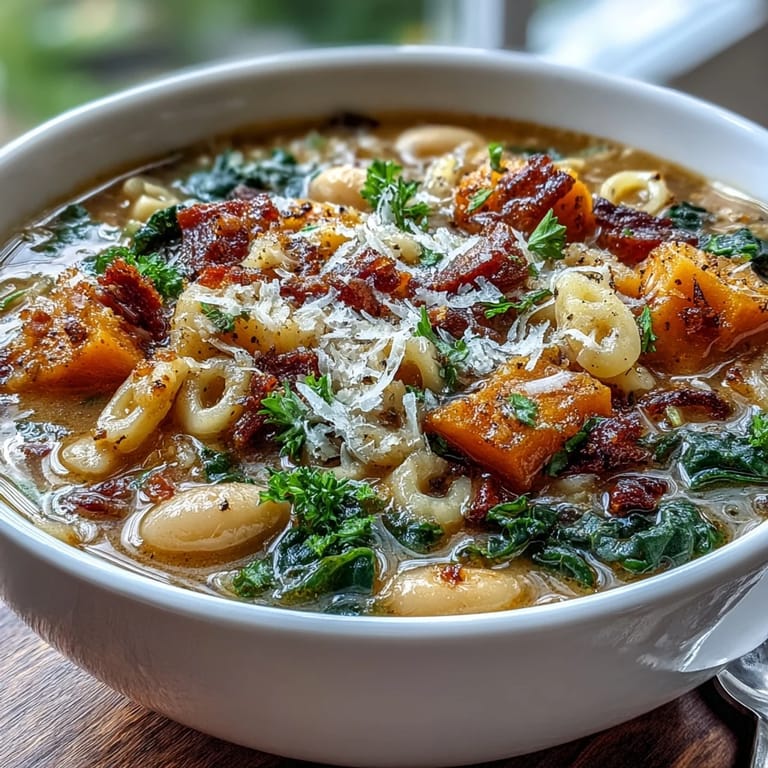
Save This minestrone has become my go-to recipe when I want to feel grounded and present in the kitchen, the kind of soup that reminds you why people have been making variations of this dish for generations. It's warming without being heavy, familiar without being boring, and always leaves you feeling like something good just happened.
Recipe Help
- → Can I make this minestrone vegetarian?
Absolutely. Simply omit the pancetta and use vegetable broth instead of chicken broth. Add a pinch of smoked paprika to maintain that savory depth typically provided by the pork.
- → What pasta works best in this soup?
Ditalini, small shells, or tubetti work wonderfully because they hold up well in broth without becoming mushy. For gluten-free options, use rice-based small pasta or add extra beans instead.
- → How should I store leftovers?
Store in an airtight container in the refrigerator for up to 4 days. The pasta may absorb more liquid over time, so you might need to add extra broth when reheating. Freezing works well for up to 3 months, though pasta texture may soften slightly.
- → Can I use other winter squash?
Yes, acorn squash, delicata, or kabocha squash make excellent substitutes for butternut. Peel and cube them similarly, adjusting cooking time slightly depending on the variety's density.
- → What can I serve alongside this soup?
Crusty bread or garlic bread perfects the meal. A light green salad with vinaigrette balances the richness. For wine pairing, try a Pinot Noir, Chianti, or a crisp Italian white like Pinot Grigio.
- → Is it possible to make this in a slow cooker?
Certainly. Sauté the pancetta and vegetables first, then transfer everything except the pasta and kale to your slow cooker. Cook on low for 6-7 hours, adding pasta and kale during the last 20 minutes.